Stop blaming candidates. Start improving hiring decisions.
If you've ever hired someone with an impressive resume only to find yourself disappointed 90 days later, you're not alone. Most organizations assume the problem was the candidate.
In reality, the problem is usually the hiring process.
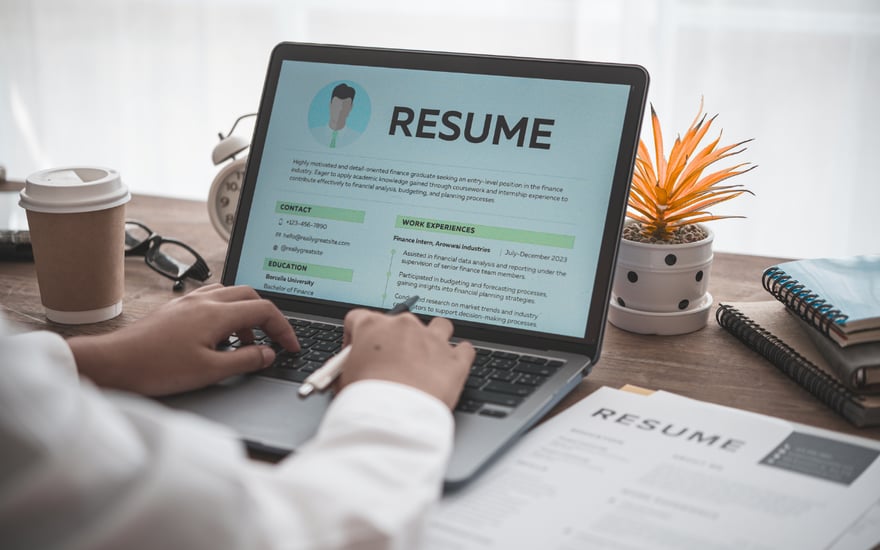
A resume tells you where someone has been. It doesn't tell you how they'll perform, solve problems, work with your team, or fit your organization's culture. That's why companies relying primarily on resumes and interviews continue to experience costly turnover, poor performance, and inconsistent hiring results.
Today's most successful organizations are shifting from resume-based hiring to data-driven hiring -using behavioral assessments, skills testing, and structured evaluation to make better decisions before an offer is ever made.
Why Resumes Aren't Enough
Resumes are marketing documents.
Candidates naturally present their best accomplishments, strongest experiences, and most impressive qualifications. While resumes are valuable for understanding work history, they rarely answer the questions that actually predict success.
Questions like:
- Will this person thrive in our culture?
- How do they communicate under pressure?
- Are they naturally detail-oriented or big-picture focused?
- Can they adapt to change?
- Do they have the behavioral traits this role requires?
- Will they stay engaged long-term?
These answers don't appear on a resume.
Interviews Have Their Own Problems
Even experienced hiring managers are influenced by unconscious bias.
Research consistently shows that interviews often reward confidence over competence. Likeability, shared experiences, and first impressions can unintentionally outweigh objective evidence.
Without structured hiring tools, organizations often make decisions based on:
- Gut instinct
- Personality chemistry
- Resume polish
- Interview performance
Unfortunately, none of these consistently predict future job performance.
The Cost of Hiring the Wrong Person
A poor hiring decision impacts far more than recruiting costs.
Organizations frequently experience:
- Lost productivity
- Increased turnover
- Lower employee morale
- Additional training expenses
- Manager frustration
- Customer service issues
- Missed revenue opportunities
One bad hire can affect an entire department.
That's why leading organizations invest more time in making the right hiring decision—not simply the fastest one.
Behavioral Assessments Fill the Missing Piece
Behavioral assessments measure how people naturally work.
Rather than focusing only on experience, they identify workplace behaviors that influence success, including:
- Communication style
- Motivation
- Decision-making
- Adaptability
- Teamwork
- Leadership potential
- Attention to detail
- Work pace
- Problem-solving approach
When matched against the behavioral requirements of a specific role, employers gain valuable insight into whether someone is likely to succeed.
Instead of asking, "Can this person do the job?"
You begin asking,
"Is this person likely to thrive in this role?"
That's a much better hiring question.
Pair Behavioral Assessments with Skills Testing
Behavior alone isn't enough.
The strongest hiring process combines multiple data points:
- Resume review
- Structured interviews
- Behavioral assessments
- Skills assessments
- Job Fit Assessments
- Reference checks
This creates a more complete picture of every candidate.
A candidate may have outstanding technical skills but struggle in a highly collaborative environment.
Another may be an excellent culture fit but lack the technical ability to succeed.
Objective hiring data helps eliminate guesswork.
Better Hiring Creates Better Business Results
Organizations that improve hiring often experience benefits beyond recruiting.
Better hiring can lead to:
- Higher employee retention
- Faster onboarding
- Increased productivity
- Stronger team performance
- Better customer experiences
- Reduced hiring costs
- Higher manager satisfaction
Hiring isn't just an HR function—it's a business strategy.
Every hiring decision impacts revenue, culture, customer satisfaction, and long-term growth.
Ask Yourself These Questions
Before making your next hiring decision, consider:
- Are we hiring based on evidence or intuition?
- Are we evaluating behavior as well as experience?
- Are we measuring job-specific skills?
- Do we have objective data supporting our hiring decision?
- Are we reducing bias in our interview process?
If the answer to several of these questions is "no," there is significant opportunity to improve your hiring outcomes.
Continue Learning
If you're looking to build a stronger hiring strategy, check out these additional resources from the Talevation blog:
- Before the Next Hiring Decision: 7 Questions Every HR Leader Should Ask
- How Better Hiring Drives Revenue
- Plan Your Next Quarter with Better Hiring Data
- How to Identify Skill Gaps Without Overcomplicating It
Together, these resources provide practical strategies for building a more consistent, predictive hiring process.
Stop Guessing. Start Hiring with Confidence.
The best candidates don't always have the best resumes.
The best hiring decisions happen when resumes are combined with behavioral insights, validated skills assessments, and objective hiring data.
If you're ready to reduce turnover, improve hiring quality, and build stronger teams, we're here to help.
Book a Free Consultation
Let's review your current hiring process and show you how behavioral assessments, skills testing, and job fit assessments can help your organization make better hiring decisions—before Day 90.
Schedule your free consultation with Talevation today and start hiring with confidence.
.png?width=960&length=960&name=Tools%20vs.%20Strategy%20Why%20Most%20Hiring%20Processes%20Fail%20(and%20How%20to%20Fix%20It).png)
.png?width=960&length=960&name=Blog%20pictures%20(1).png)